Short answer: most hard items, like glass, metal, plastic and sealed wood, can be cleaned and kept. Soft, porous items that got soaked or grew mold, like mattresses, pillows and some upholstered furniture, often need to be replaced. The EPA notes that porous materials such as carpet and ceiling tiles may have to be thrown away once they are moldy. The key is sorting first, then cleaning.
Step 1: Fix the mold before you clean anything
Cleaning belongings in a home that still has active mold is wasted work. New spores will settle on everything again. Make sure the mold is removed and the water source is fixed first. If you are not sure the source is gone, start with professional mold remediation.
Step 2: Sort into keep, clean and toss
| Keep and clean | Clean, then decide | Usually toss |
|---|---|---|
| Glass, metal, ceramic, hard plastic | Washable clothes and linens | Mattresses and pillows that got wet or grew mold |
| Sealed or finished wood | Leather items | Carpet and pad with mold |
| Electronics (outside only) | Books and papers with light dust | Stuffed toys with visible mold |
| Dishes and cookware | Upholstered furniture that stayed dry | Upholstered furniture that got wet or grew mold |
Step 3: How to clean each type
Hard items
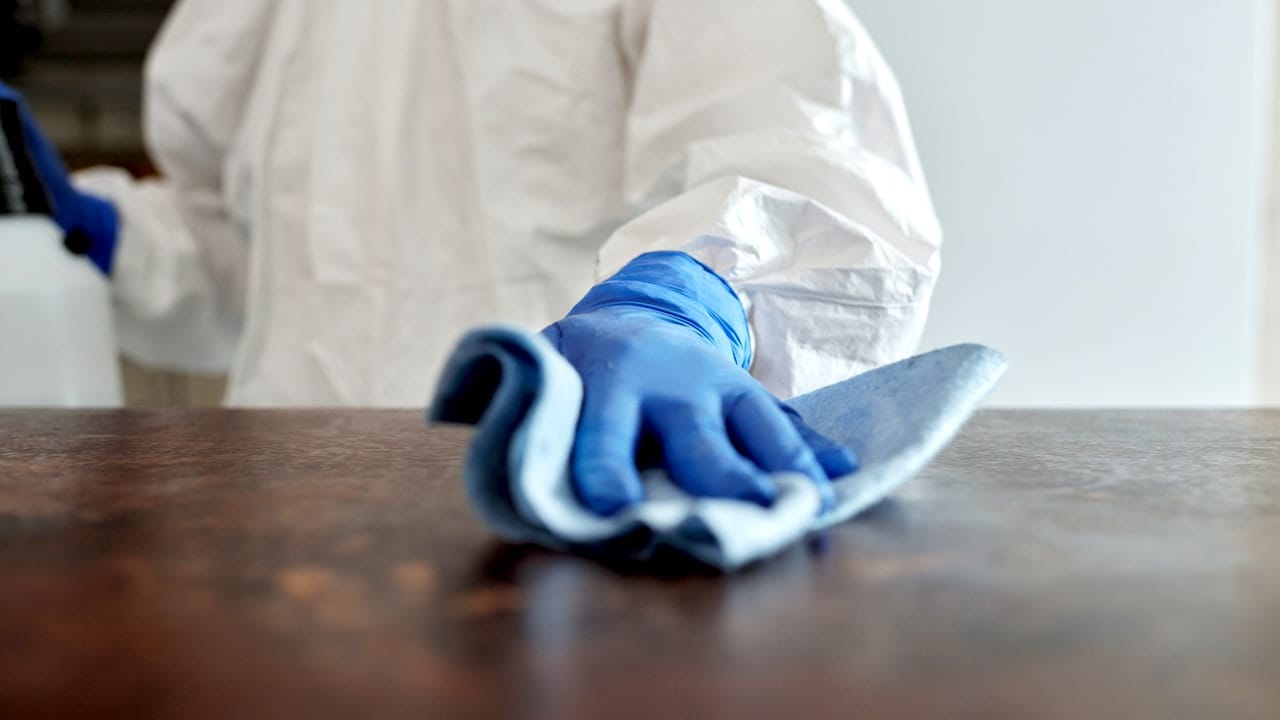
Vacuum with a HEPA vacuum, then wipe with a damp cloth and a mild detergent. Change cloths often so you are not spreading dust around. Let items dry completely.
Clothes, sheets and towels
Wash in hot water with regular detergent, as hot as the fabric label allows. Dry completely. If something still smells musty after two washes, let it go.
Furniture
HEPA vacuum all surfaces, including under cushions and the frame. Wipe hard parts with a damp cloth. Upholstered pieces that got wet or show mold growth are hard to clean inside and are often replaced.
Electronics
Wipe the outside with a dry or barely damp microfiber cloth. Do not spray liquid into vents or ports.
Why you do not need 40 products
Mold cleanup is about removing particles, not killing them with harsh chemicals. A HEPA vacuum, microfiber cloths, mild detergent and patience do most of the work. Bleach is not needed for most belongings and can damage fabrics and finishes.
Protect yourself while you clean
Wear gloves and an N95 mask. Open windows if the weather allows. If anyone in your home has asthma, allergies or a weak immune system, have someone else do the cleaning. Not sure how mold affects your family? Read Can Mold Make Me Sick?
When to call a professional
If mold spread through the whole house, or there are too many belongings to clean by hand, professional small particle cleaning cleans every room and every surface, then Atomized Sanitization treats the air. Mold Solutions Tampa Bay does both, and an independent lab confirms the result. See our Small Particle Cleaning page or call for a free consultation.
Water damage is often where it starts. Here is how fast mold grows after water damage.
FAQ
Usually, yes. Wash them in hot water with regular detergent, as hot as the fabric allows, and dry them completely. Throw away anything that still smells musty after two washes.
If mold is growing on or inside a mattress, it usually needs to be replaced. Mattresses are porous and cannot be fully cleaned inside.
You can clean small amounts of hard items. For a whole home of belongings, or if anyone in the home is sensitive to mold, a professional small particle cleaning is safer and more complete.